.png)

HPE or SMV? What Path Actually Fits Your Goals?
- Jun 7
- 4 min read

One of the most common questions we get is:
“What’s the difference between HPE and SMV?”
Most people assume one is “better” than the other, but that couldn't be farther from the truth.
The real question is:
What are you trying to do with herbalism right now?
Most herbalists are trying to stop feeling all over the place in their studies. They are tired of watching random videos, screenshotting herb posts, buying herbs they barely use, and still not feeling confident when someone in their house needs support.
Others already know they want more.
They want to:
work with clients
create formulas
understand the body deeply
think through contraindications
build protocols
become skilled practitioners
Those are two different levels of responsibility.
The Student Membership Vault (SMV)
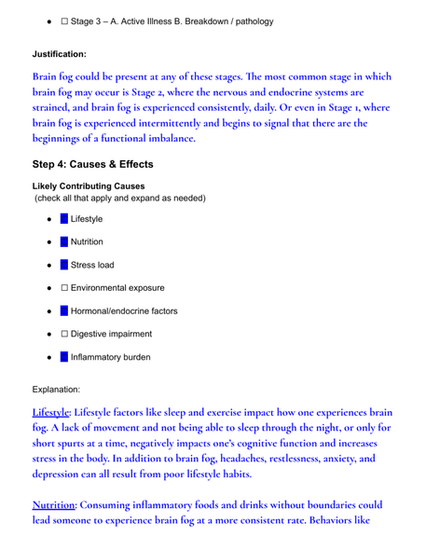
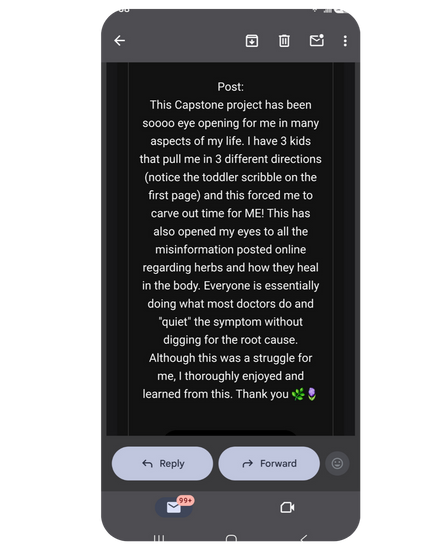
Inside SMV, the focus is more on building consistency, observation skills, application, and getting students actively USING herbalism instead of endlessly studying it without implementation.
SMV is the best fit for students who need:

consistency
accountability
hands-on practice
community
direction on what to study next
Students move through:
Semester challenges
practicums
capstones
mini courses
apothecary planning
herbal energetics
protocol thinking
seasonal studies
observation exercises
This is not a “watch random videos whenever you feel like it” type of environment. The goal is helping students stop jumping around collecting information and finally start building real herbal thinking skills.
Inside SMV, students are learning things like:
how to think through affinities
how to connect symptoms to systems
how to plan an apothecary realistically
how to notice patterns in the body
how to choose preparations more intentionally
how to observe herbs instead of memorizing lists
This is where students start learning how to think through herbs instead of memorizing them like flash cards. One week you may be planning out your household apothecary. Another week you may be studying bitter herbs and noticing how they affect digestion, elimination, appetite, or energy levels. Another challenge may have you tracing symptoms back to systems and trying to figure out what patterns are showing up underneath.

A lot of students inside SMV are:
mothers
healthcare workers
homeschoolers
self-taught herbalists
women rebuilding their health
women trying to become more prepared and less reactive
The pace is more flexible, though participation is still expected. Students can work while raising children, working jobs, running households, or learning at a slower pace. There is still accountability and participation expected, but it is more self-study based.
What Skills Do Students Build Inside SMV?
Students inside SMV may finish the semester able to:
confidently build a basic household apothecary
create teas, tinctures, syrups, and oils more intentionally
think through herbal actions and affinities
understand herbal energetics more practically
prepare for seasonal wellness needs
organize herbs based on goals and systems
recognize gaps in their own herbal knowledge
stop depending on random social media herb advice
This is where many students finally stop feeling scattered.




Holistic Practitioner Elite (HPE)
HPE is a completely different level of commitment.
This path is for students who already know they want deeper practitioner-level training.
The curriculum goes much further into:
anatomy
physiology
pathophysiology
endocrinology
phytochemistry
herbal energetics
protocol formulation
herb-drug interactions
case analysis
systems-based thinking






Students are expected to think critically, study consistently, and apply what they are learning at a much deeper level.
This is not surface-level herbalism.
HPE students are learning how to:
think through complex cases
build protocols
identify contraindications
connect systems together
understand why herbs are being chosen
think beyond symptom matching
work through real practitioner logic
The workload is heavier.
The expectations are higher.
The time commitment is greater.

Students inside HPE are often preparing for things like:
consultations
client work
herbal product businesses
wellness programs
advanced formulation
deeper clinical confidence
What Does HPE Actually Prepare You For?
HPE helps students move toward:
becoming herbal practitioners
opening practices
building wellness programs
working with clients more responsibly
understanding how the body systems interact
creating more thoughtful and safer protocols
building confidence in clinical reasoning
This is the difference between:
"What herb is good for headaches?”
and
“What patterns, systems, triggers, medications, energetics, and root causes need to be considered here?”
That is a completely different level of thinking.
Time & Investment
This part is also important when determning which program fits your needs best.
A lot of people want practitioner-level outcomes without practitioner-level commitment.
HPE requires more:
reading
studying
writing
observation
correction
application
SMV is easier to fit into a busy season of life.
HPE requires students to intentionally make room for deeper study.
Neither path is “easy.” They are simply built for different levels of intensity and responsibility.
The Point Is: It Is Not Either Or
Most of our strongest students participate in both.
SMV gives students:
ongoing practice
accountability
repetition
community
implementation opportunities

HPE gives students:
deeper correction
stronger clinical thinking
advanced methodology
practitioner-level application
They complement each other very well.
SMV helps students stay active and engaged consistently. HPE pushes students into deeper levels of mastery and responsibility.
Which One Makes Sense For You?
Some students start inside SMV first, then move into HPE later once they build stronger study habits and confidence. Some students stay in both. SMV keeps them actively practicing and participating consistently. HPE pushes them deeper academically and clinically. One keeps students engaged in application, the other sharpens practitioner thinking.

If you are trying to decide where you fit, ask yourself:
Do I mainly need consistency and implementation right now?
Or am I ready for deeper practitioner-level responsibility and study?
Both require commitment.
Both require participation.
Both require work.
Watching herb videos casually and becoming a skilled herbalist are not the same thing.
If you want to see the difference between the two programs more closely, we’ll be breaking this down further during our upcoming open houses for both SMV and HPE, including curriculum, expectations, student work, semester structure, and the type of growth each path is designed to support. 🌿
SMV is likely the better fit if:
you need consistency
you are tired of learning randomly
you want guided herbal practice
you need accountability
you are balancing family or work responsibilities
you want to strengthen your foundations
HPE is likely the better fit if:
you already know you want practitioner-level training
you want to work with clients
you are ready for deeper study
you can commit more time weekly
you want advanced correction and methodology
you are serious about mastering herbal reasoning
Herbalism grows through repetition, observation, correction, and application over time.
Reading herbs is easy,
thinking through them well takes practice.
Click below to attend our Open House!
Student Membership Vault Open House + Q&A Summer Semester 2026
June 28, 2026, 12:00 – 1:00 PM CDTOnline Event
Register Now


Comments