.png)

The Basics of Herb-Body Chemistry: How Herbs Interact with Your Body
If you're new to herbalism, understanding how herbs actually work in your body can be a little confusing. It’s one thing to know that herbs can help with certain health issues, but how do they work on a deeper level?
Don’t worry, you don’t have to be a scientist to understand it. In simple terms, herbs contain natural compounds that interact with your body in different ways to help improve your health.
Let’s break it down into easy-to-understand concepts about how herbs affect the body.
How Do Herbs Work in Your Body?
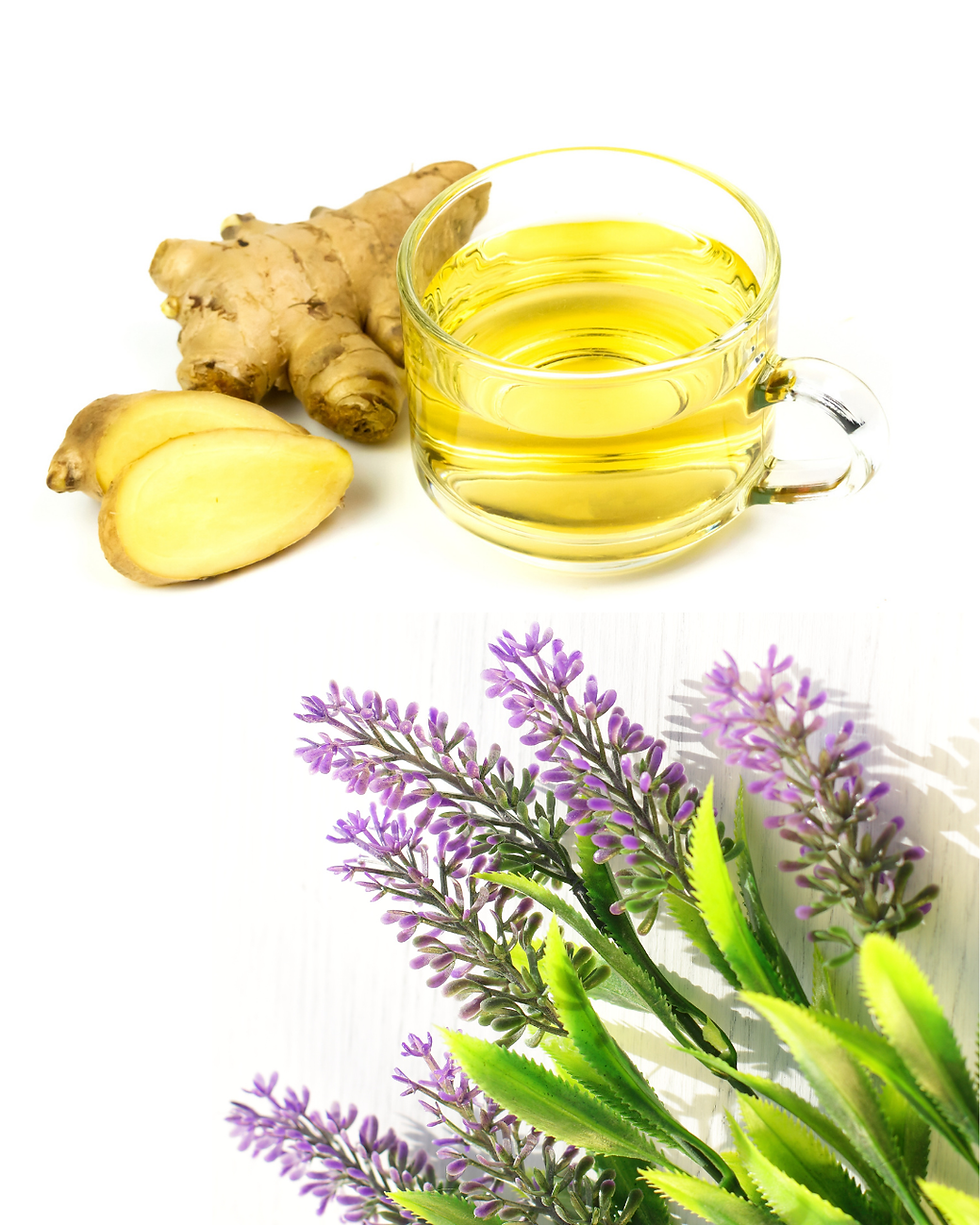
Herbs are made up of natural chemicals that help the body heal or maintain balance. These chemicals are often called compounds. Some of the main compounds in herbs are alkaloids, flavonoids, and terpenes. Each of these works differently, depending on the herb and the part of the body you’re trying to support.
For example, when you take ginger, it has compounds that help with digestion by soothing the stomach and improving blood flow. Lavender, on the other hand, has compounds that help you relax by affecting your nervous system. These compounds are absorbed into your bloodstream after you consume the herb, and from there, they move to the areas of your body that need them.
Important Compounds in Herbs

Alkaloids
Alkaloids are chemicals in some herbs that affect your nervous system. A common example is caffeine from coffee or morphine from the opium poppy. Some herbs like goldenseal and echinacea also contain alkaloids. These compounds help your body fight infections and strengthen your immune system.

Flavonoids
Flavonoids are antioxidants. They help protect your cells from damage. For example, chamomile and ginkgo biloba contain flavonoids, which help reduce inflammation, support heart health, and even protect your brain from aging.

Terpenes
Terpenes are the compounds that give herbs their strong smells. For instance, rosemary and mint contain terpenes that help with circulation and can even boost your mood. Terpenes are great for supporting the body’s stress response and can help with things like anxiety.

Once you consume an herb—whether in a tea, tincture, or capsule—its compounds enter your digestive system. From there, they get absorbed into the bloodstream and travel to different parts of your body. Your liver is a key player in this process because it helps break down the compounds in the herbs and decides how they’ll be used in the body. If you’re taking herbs along with medications, your liver processes both, which is why it’s important to know how they interact.
Herbs and Different Body Systems
Herbs target different systems in your body, depending on what they’re designed to do.
Here are some examples:

Digestive System:
Herbs like peppermint and ginger help your stomach by improving digestion and reducing nausea. They work as carminatives, meaning their essential oils calm the stomach’s involuntary muscles to ease bloating and gas.
Ginger contains compounds like gingerols and shogaols, which help increase digestive enzyme production and improve blood flow to the stomach lining. Peppermint’s main compound, menthol, relaxes the smooth muscles of the digestive tract and reduces the cramping sensation that comes with indigestion. These actions make food move more smoothly through your system and help prevent the build-up of gas or discomfort after eating.

Immune System:
Herbs that support the immune system often contain compounds that stimulate the body’s natural defense mechanisms or help it recognize and respond to threats more efficiently.
Take echinacea for example. It’s packed with compounds like alkamides, polysaccharides, and caffeic acid derivatives, which activate white blood cells—your body’s first line of defense against bacteria and viruses. These compounds help the immune system “wake up” and increase the production of signaling molecules called cytokines that tell immune cells where to go and what to attack.
Elderberry is another immune favorite. Its deep purple color comes from anthocyanins, a type of flavonoid with powerful antioxidant effects. These antioxidants help protect your cells from damage while also stopping viruses from attaching to and entering healthy cells. That’s why elderberry is often used at the first sign of a cold or flu—to make it harder for the virus to spread inside your body and to shorten the duration of symptoms.

Nervous System:
Your nervous system controls everything from your thoughts to your heartbeat, and herbs that support it often contain compounds that interact with neurotransmitters—the chemicals that carry messages between nerve cells.
Lavender, for instance, contains linalool and linalyl acetate, compounds that calm the nervous system by influencing GABA receptors in the brain. GABA (gamma-aminobutyric acid) is a neurotransmitter that helps regulate mood and reduce feelings of anxiety. When lavender increases GABA activity, it promotes relaxation and better sleep without creating dependency like some medications do.
Another powerful herb for the nervous system is ashwagandha. Its main compounds, withanolides, are adaptogens—natural stress regulators that help balance cortisol, your body’s primary stress hormone. When cortisol levels stay high for too long, it can lead to fatigue, anxiety, and weakened immunity. Ashwagandha helps the body return to a calmer state, supporting mental clarity and resilience under pressure.
In short, these herbs don’t just “make you calm.” They work with your brain chemistry and hormone system to bring your body back into balance naturally.

Why Knowing Herb-Body Chemistry Matters
Understanding how herbs interact with your body is important because it helps you use them in the right way. Not all herbs work the same, and some herbs can interact with medications or supplements. Knowing what compounds are in the herbs you’re using, and how they’ll affect your body, ensures you’re using them effectively and safely.
Expand Your Knowledge with the Practitioner Database
If you’re ready to go deeper into how herbs work in the body, the Practitioner Database™ was made for you. This professional reference tool gives you immediate access to compound data, herb–drug interaction notes, and detailed system-based protocols. It’s perfect for practitioners or students who want to bridge the gap between tradition and science.
Inside you’ll find protocols like:
Fatty Liver Disease Comprehensive Herbal Protocol
Stress: Its Impact on the Body
Comprehensive Diabetes Protocol with Herbal Remedies
Insomnia Protocol: Understanding and Managing Sleeplessness
Healing Trauma & Grief Protocol
And so much more—all designed to help you build confidence and accuracy in your herbal practice.
👇🏾 Start studying inside the Practitioner Database™ today and gain the knowledge to safely support your clients with evidence-based, biblically sound herbal care.
If you want to learn how to use herbs effectively and understand the science behind them, grab your seat inside the Practitioner Database today and start building your herbal knowledge!
FAQ Section
Q: Do herbs really work as effectively as modern medicine?
A: Herbs and medicines work differently. Herbs help restore balance to the body rather than suppressing symptoms. When used consistently and correctly, they can be very effective—especially for long-term wellness and prevention.
Q: Can I take herbs and prescription medications together?
A: Some herbs can safely be used with medication, while others can cause interactions. Always research or consult a qualified herbal practitioner before combining the two. The Practitioner Database™ includes a section dedicated to herb–drug interaction safety.
Q: How long does it take to see results from herbs?
A: It depends on the herb and the condition being treated. Some herbs act quickly, like peppermint for nausea, while others—like adaptogens—build their effects over several weeks.
Q: What’s the best way to learn more about herbal compounds and systems?
A: Start by studying herbs through trusted, system-based frameworks like those inside the Practitioner Database™. You’ll learn not just what herbs do, but why they work—and how to apply them safely in real-world cases.


.jpg)
Comments