.png)

Where Do Herbalists Work? 9 Real Jobs You Can Get With Herbal Training
Nov 27, 2025
5 min read
Shalom Family,
If you’ve ever found yourself Googling “Where do herbalists work?”—you’re not alone.
A lot of us start this journey with deep passion but little clarity.
Maybe you’ve helped your own family heal with herbs.
Maybe you’ve been called to serve your community.
But then reality hits:
Is this viable?
Can I actually make a living doing this?
The answer is yes—but not in the way most people think.
You’re not limited to working in a tea shop or making fire cider on Etsy (unless you want to). If you understand systems-first healing, if you can connect herbal knowledge to real-life wellness problems, you can work in places most people don’t even know are possible.
Let’s break down 9 real jobs herbalists are doing right now—with training, structure, and purpose.

1. Clinical Herbalist in Private Practice
This is what most people think of—and for good reason. When you’re trained to understand anatomy, organ systems, energetics, and safety levels, you can meet with clients one-on-one to create customized wellness plans.
You can work from home, online, in-person, or even partner with doulas or midwives. Some of my students structure their practice around women's health, digestion, or stress—choosing a niche that speaks to their experience.
Want to see what goes into building this kind of practice?
In the Holistic Practitioner Elite Program (HPE), you’ll step into clinical-level mentorship—building case studies, client protocols, and professional experience that most herbalists never receive.

2. Teaching at a Wellness School
If you’re a strong communicator and love breaking things down for others, you can teach inside herbal schools, natural health programs, or community centers. Some programs hire guest teachers for specific modules—especially those with cultural, spiritual, or regional specialties.
You don’t have to teach everything. Just teach what you’ve mastered.

3. Running Your Own Apothecary
This one’s close to my heart because it’s how Yah’s Apothecary started—selling herbal blends and teaching others how to use them.
Running your own apothecary might mean having a physical storefront, vending at markets, or managing an online shop. But more importantly, it means knowing what to offer, how to keep things safe, and how to make sure your products actually work.
Even small-batch apothecaries can do well when built with real strategy and structure.

4. Working in a Co-op or Natural Health Store
This is a great option for newer herbalists. You can gain experience helping people, making recommendations, and learning how natural products move through the real world.
Co-ops and health food stores often look for folks who can guide customers with integrity—not just upsell supplements.
This can also be a stepping stone while building your own brand.

5. Freelance Consultant for Health Brands
Wellness brands (especially in skincare, supplements, or postpartum care) are constantly looking for herbal experts to consult on formulas, write content, or review safety protocols.
If you’re trained in formulation, sourcing, or the therapeutic actions of herbs, this is a solid path. You can charge hourly, per project, or even land retainers.
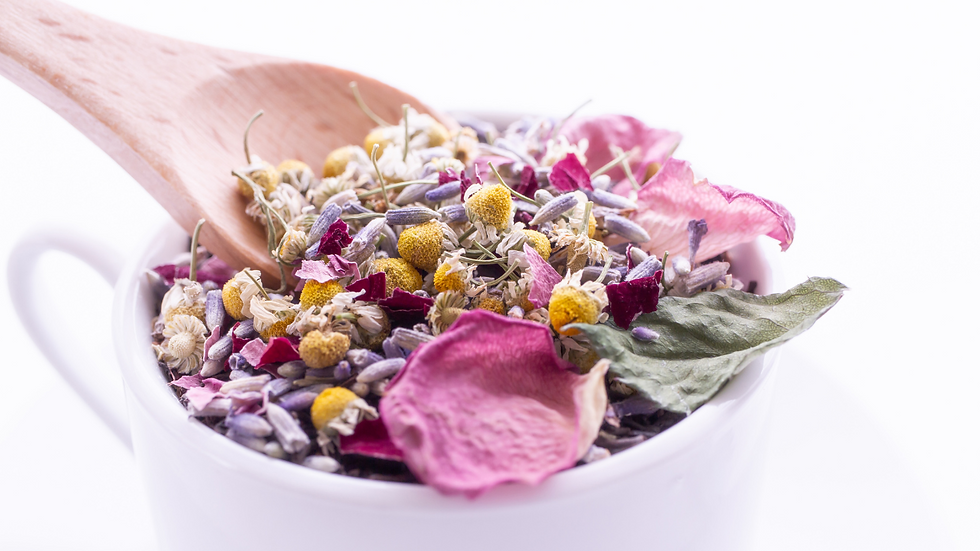
6. Formulating for Skincare or Supplement Lines
If you love experimenting with salves, oils, tinctures, or syrups—this could be your lane.
Herbal formulation is its own career path. Whether you launch your own line or become the brain behind someone else’s brand, this is a high-skill, high-demand role.
And yes—you’ll need more than a Pinterest recipe. Training matters.

7. Teaching or Creating Online Courses
If you’ve been learning herbalism for years, chances are, you know more than someone else out there—and they want to learn from someone relatable.
You can create digital courses on niche topics (like womb wellness, herbal prep, or African-centered healing) and sell them on your own site, through platforms, or as part of a group program.
This is how many of my students generate passive income while still serving in-person.

8. Herb Farming or Wildcrafting for Profit
If you’ve got land—or even a big backyard—you can grow herbs, dry them, and sell them to local herbalists, schools, and makers. Wildcrafting (ethically gathering herbs from nature) is another viable option if you’re trained in sustainable practices.
It’s physical work, but deeply rewarding. Especially for those who feel most grounded in the soil.

9. Writing & Publishing Herbal Content
Yes, you can write for a living, too.
From ghostwriting articles for health companies to publishing your own books, guides, or e-books, writing is one of the most overlooked herbal career paths.
If you love research, storytelling, or even poetry, your words can teach, sell, and inspire.
Ready to Take the First Step?
If you’ve ever wondered where you fit in this field—this is where clarity starts.
Inside Yah’s Apothecary, we don’t just talk about becoming an herbalist—we train you to think clinically, build wellness programs, and serve your community with confidence.
💼 In the Student Membership Vault (SMV), you’ll master foundational systems, safety, and practice with guided assignments that prepare you for the real world.
🩺 In the Holistic Practitioner Elite Program (HPE), you’ll step into clinical-level mentorship—building case studies, client protocols, and professional experience that most herbalists never receive.
Because the truth is—herbalism is a career.
But only when you study with structure, integrity, and support.
👉 Enrollment for the January Semester is open now.
Begin your journey where you are, or step directly into professional training.
[Join the Student Vault] or [Apply for HPE] today.
Where do herbalists work?
Anywhere Yah sends them, with training, structure, and boldness to follow through.
You’re not too late. You’re not too scattered. But it’s time to get serious.
Shalom,
KhadiYah
FAQ:
Q: Can herbalists work in hospitals?
A: Most herbalists do not work in hospitals directly, but they may collaborate with functional medicine practitioners, midwives, or doulas. Some integrative clinics also welcome herbal support roles.
Q: Do herbalists make money?
A: Yes—but the income depends on their business model, training, and ability to serve consistently. Herbalists who structure their business well (via client services, product lines, or education) can absolutely earn a full-time income.
Q: Do you need a degree to be an herbalist?
A: No formal degree is required in most areas, but strong training and mentorship are essential—especially if you plan to serve clients directly or formulate products.
Want more resources?
Read this blog on Exploring 20 Herbal Career Paths: Why You Should Consider a Career as an Herbalist


Comments