.png)

What Students Will Learn Inside the Summer Semester at Yah’s Apothecary
May 16
5 min read
Updated: Jun 19

A lot of people come into herbalism excited, motivated, buying books, saving videos, screenshotting graphics, and trying to absorb as much information as possible as fast as possible.
Then a few months later, they realize they still don’t feel confident.
They know random facts about herbs, but they struggle to connect things together. They can remember that an herb is “good for inflammation” or “supports the immune system,” but when it’s time to think critically, compare herbs, recognize patterns, or understand what may actually be happening inside the body, everything starts feeling scattered.
That’s one of the biggest reasons we’ve been restructuring the Student Vault into a more intentional semester-based training environment.
If someone truly wants to retain knowledge long-term, think like a practitioner, and build confidence beyond memorization, they cannot rely entirely on quick social media content, random herb lists, or constantly bouncing between disconnected pieces of information.
That type of learning creates what we jokingly call “Styrofoam knowledge.”
Very light, very surface level, easy to break apart under pressure.
Someone may feel confident while watching videos, but once they have to:
compare herbs
explain their reasoning
observe patterns
identify plants
think through systems
organize a protocol
recognize tissue states
they realize there are gaps.
The goal here at Yah's Apothecary, is not to rush students through more information.
The goal is to help students slow down enough to actually build understanding.
Over the years, we’ve seen several different types of successful students inside Yah’s Apothecary.
Some came from healthcare backgrounds. Some started with gardening. Some were homeschool mothers trying to better care for their households. Some wanted to become practitioners. Some wanted to build businesses. Some struggled heavily with confidence in the beginning and thought they were “bad at learning.”
The students who grow the most are usually not the ones trying to memorize the fastest.
They are the ones willing to:
observe carefully
stay consistent
ask questions
revisit concepts
compare patterns
apply what they’re learning
stay engaged over time
That’s the environment we’ve been intentionally building.
Each semester inside the Student Vault is also built around foundational frameworks that students revisit and deepen over time. Rather than constantly introducing disconnected concepts, students learn how to apply core systems of thinking repeatedly across herbs, energetics, physiology, field studies, and practitioner projects.
This semester, students will spend time focusing heavily on portions of the T.E.A. Method™, specifically taste and energetics, while also working through the new Energetics Mini Course designed exclusively for enrolled students.
Energetics is one of the areas many herbal students struggle to fully grasp because it is often explained in vague or overly abstract ways. Students may memorize terms like “warming,” “cooling,” “drying,” or “moistening” without truly understanding how those patterns appear in plants, tissue states, preparations, or physiology.
One of the major goals this semester is helping students make energetics more tangible and observable so they can begin recognizing how energetics display themselves throughout plants, body systems, tissue presentations, and overall patterns within the body.
The Summer Practicum: Taste & Energetics

This semester begins with the Taste Practicum™, where students spend several weeks studying herbs through direct observation of:
the 5 tastes (African Herbalism)
energetics
physical response
preparation behavior
patterns between herbs
Most people completely overlook taste. They either avoid bitter herbs entirely or reduce taste to whether something is “pleasant.” Traditional herbal systems understood that bitterness, pungency, sweetness, sourness, and astringency often reveal important clues about energetics, tissue states, constituents, and how a plant behaves in the body.
Students will document observations inside guided practicum logs while comparing patterns between herbs throughout the semester.
This changes the way students begin thinking about plants. Instead of only reading about herbs, students are actively working with them, observing them, tasting them, preparing them, and documenting the patterns they notice over time.
With guided feedback and discussion, students begin making deeper connections and building stronger confidence in their observations.
Plant Family Field Study™

One of the major field studies this semester focuses on plant families and the repeating similarities shared between related plants.
Students begin comparing:
morphology
scent
growth habits
energetics
color
structural similarities
preparation styles
This helps students stop viewing herbs as isolated pieces of information and start recognizing larger relationships and repeating patterns throughout nature.
You do not need to memorize a thousand herbs to become effective. Once students begin recognizing patterns, energetics, plant families, tissue states, and systems relationships, they are able to think through herbs much more strategically instead of feeling dependent on endless memorization.
Know Your Materia Medica™ Capstone

One of the largest projects this semester is the Know Your Materia Medica™ Capstone, where students follow a living plant through its life cycle while documenting:
growth stages
structure
environmental changes
harvest timing
preparation shifts
seasonal observations
morphology
Rather than simply researching “what an herb is used for,” students learn how to slow down and actually study the plant itself.
This is one of the projects we’re most excited about because it trains a completely different level of observation and awareness than most people are used to.
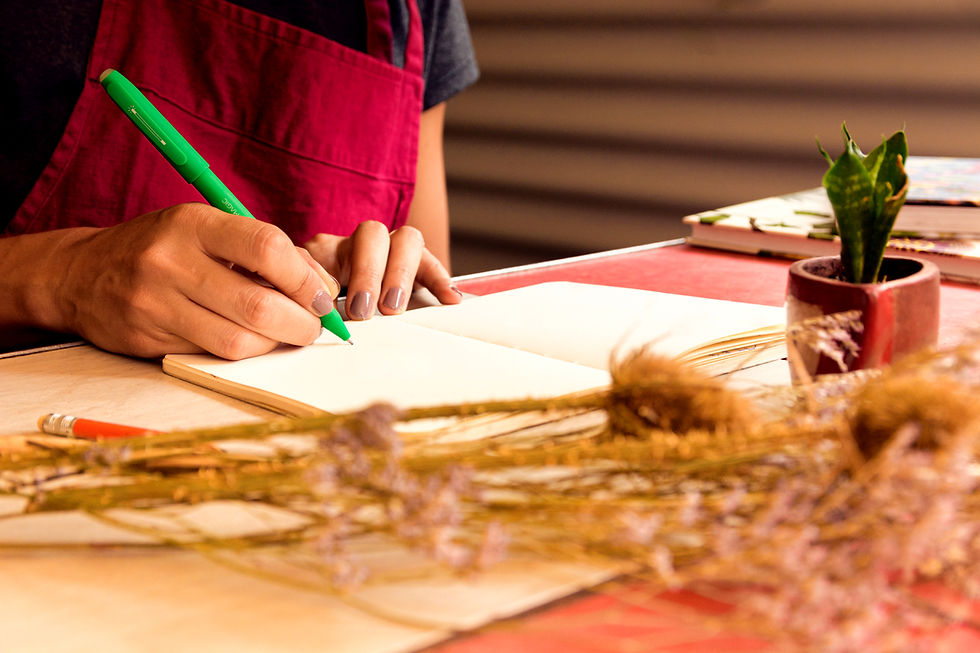
Here’s a small preview from inside the new Semester Training Manual™:
Vitamin & Mineral Study™
Students will also work through a systems-based vitamin and mineral study designed to help them better connect:
nutrients
deficiency patterns
body systems
energetics
herbal support
physiology relationships
A lot of people try to jump straight into protocols without understanding how deeply nutrients influence multiple systems throughout the body. This study helps students think much more holistically and strategically.
The New Semester Training Manual™
This semester will also officially introduce the new Semester Training Manual™, a 200+ page curriculum companion created exclusively for enrolled Yah’s Apothecary students participating in the semester environment.
The manual was designed to help students organize:
field observations
morphology studies
systems exercises
capstones
practitioner projects
implementation work
journaling
sketching
mapping activities
long-term study notes
Rather than functioning like a standard workbook, the manual was created to become an active training companion students continue building upon throughout future semesters.
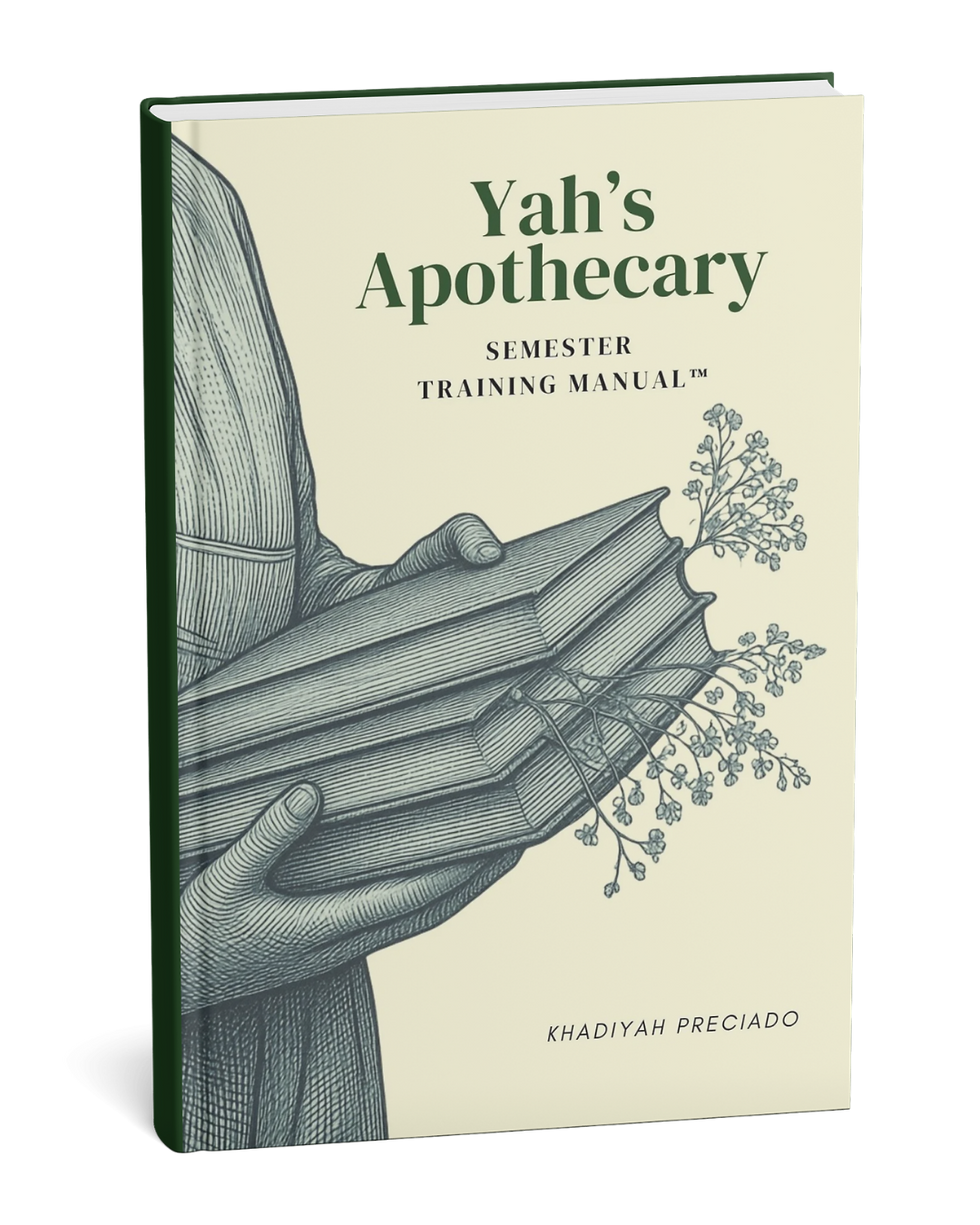
Here is the official first look at the new manual cover:
Accountability Partners & Community Learning
One of the biggest additions to the semester system is the introduction of accountability partners and stronger community-based learning throughout the semester experience.
A lot of people struggle with consistency when they are trying to learn everything alone. It is easy to feel motivated for a few weeks, then quietly fall off once life becomes busy or learning starts feeling overwhelming. Accountability partners help students stay engaged, compare observations, ask questions, and continue growing alongside other serious students throughout the semester.
The accountability system gives students opportunities to:
discuss observations
compare findings
encourage consistency
stay engaged during longer projects
strengthen implementation
build stronger community relationships
This creates a much different experience than simply watching videos quietly by yourself and hoping everything sticks.
The New Juneteenth Yah Zine™
Students inside the Vault track will also receive the new Juneteenth edition of Yah Zine™, featuring educational content, student work, herbal discussions, practitioner conversations, and expanded community contributions.
This edition will be available exclusively to Vault students.

Want to See the Semester Structure for Yourself?
We’ll be walking through the new semester structure, curriculum updates, field studies, capstones, practitioner pathways, and the future direction of Yah’s Apothecary during our upcoming open house.
Student Membership Vault Open House + Q&A Summer Semester 2026
June 28, 2026, 12:00 – 1:00 PM CDTOnline Event
Register Now
If you’ve been craving a more structured way to learn herbalism, a place where you can slow down, think deeper, ask questions, build confidence, and stop feeling like you’re constantly starting over, we invite you to join us for the upcoming open house
– YA Team


.jpg)
Comments