.png)

Herbal Medicine for Beginners: Where to Start
Mar 12
7 min read

Shalom, family. One of the questions I hear more than almost anything else is this: What herb should I start with? Closely followed by How many herbs do I need to know? and How do I study herbal medicine safely?
Those are good questions, and the truth is that most beginners overcomplicate the answer. They assume they need a long list of exotic herbs, expensive supplies, or years of memorization before they can begin.
That is not how herbal wisdom has traditionally been learned. Herbal knowledge grows step by step through observation, familiarity, and consistent use. If you try to skip those steps, you end up confused and overwhelmed instead of confident.
In this guide we will walk through the foundations of herbal medicine for beginners so you can start building knowledge that actually lasts.
Quick Navigation
Use these links if you want to jump directly to a section.

The First Herbs to Learn
One of the biggest mistakes beginners make is trying to learn dozens of herbs at once. That approach usually leads to frustration because nothing truly sticks.
A much better starting place is your own home.
Choose two or three herbs for each person in your household. These herbs should be easy to find, affordable, and already familiar to you. The goal is not to build a giant apothecary overnight. The goal is to understand a few plants deeply.
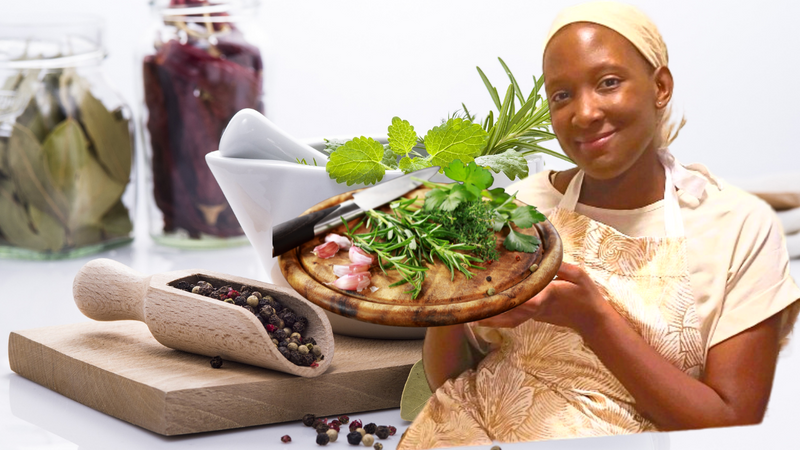
Kitchen herbs are a perfect place to begin because you already recognize them. You know how they smell, how they taste, and how they behave in food. That familiarity makes them easier to work with medicinally.
Herbs like garlic, thyme, ginger, oregano, parsley, and sage are excellent beginner plants. They are widely available, generally safe, and incredibly versatile.
Starting with herbs that already live in your kitchen removes the intimidation factor. It allows you to learn herbal medicine in a way that feels practical instead of overwhelming.
If you want a clear roadmap for choosing your first herbs and building your study plan, download the Steps to Becoming an Herbalist guide. It walks through exactly how to begin without trying to learn everything at once.

Basic Herbal Preparations
Once you begin studying herbs, the next question becomes how to actually use them.
Herbal preparations do not have to be complicated. Many of the most effective preparations are also the simplest.
A few foundational preparations every beginner should learn include herbal teas, infused oils, herbal honeys, and oxymels.
Teas are often the first preparation people make because they are familiar and gentle. Infused oils allow herbs to be used externally for skin support and muscle care. Herbal honey preserves herbs while creating something both medicinal and enjoyable.
Learning these simple preparations teaches you how herbs interact with water, oils, and alcohol. That understanding will serve you throughout your entire herbal journey.
Many beginners try to jump straight into complicated formulas before they understand these basics. Taking time to practice simple preparations builds confidence and skill.
Inside the Steps to Becoming an Herbalist guide, I break down the core preparations beginners should focus on first so you can start practicing right away.
How to Study Herbs Safely

Safety is one of the most important parts of herbal medicine, especially for beginners.
Not all herbs should be used the same way or with the same frequency. Some herbs are gentle and can be used regularly, while others should only be used occasionally or under specific circumstances.
That is why learning safety frameworks early is so important.
Studying herbs safely involves understanding dosage, contraindications, and how herbs interact with the body. It also means recognizing when herbs are appropriate and when they are not.
This is one of the areas where beginners benefit most from having a clear structure rather than trying to piece information together from random sources.
If you want a structured way to study herbs that prioritizes safety, the Steps to Becoming an Herbalist guide outlines the learning path many beginners wish they had from the start.
The Four Step Journey® for Learning Herbs
One of the frameworks I teach beginners is called the Four Step Journey® (by Yah's Apothecary). This approach helps you move through herbal study in a logical and manageable way.
Instead of jumping straight to exotic plants from across the world, the Four Step Journey begins with what is closest to you.
The first step is the kitchen. These are the herbs you already cook with and see every day.
The second step is the backyard or garden. These are the plants that grow around your home, often without any effort from you.
The third step is the forest or wild spaces. At this stage you begin identifying plants outside your immediate environment.
The fourth step is abroad, which includes herbs that do not naturally grow where you live.
This journey helps you build confidence gradually. You begin with the most accessible plants before moving toward the unfamiliar ones.
Many beginners do the opposite. They start with rare herbs they have never seen before, and that makes herbalism feel harder than it needs to be.
If you follow the Four Step Journey, herbal knowledge becomes something you experience instead of something you try to memorize.
The Steps to Becoming an Herbalist guide explains this learning progression in more detail so you can start applying it immediately.
The Four Levels of Safety®

Another framework that helps beginners is the Four Levels of Safety® by Yah's Apothecary.
This system organizes herbs according to how frequently they can be used and how much caution is needed.
The first level includes culinary or food herbs. These are herbs that can be used regularly in cooking and teas.
The second level includes specific herbs, which are used for particular situations rather than daily use.
The third level includes low dose herbs, which require careful dosage and understanding.
The fourth level includes herbs that are primarily used externally unless someone has advanced training.
When beginners understand these levels, herbal medicine becomes much less intimidating. You know where to begin and how to move forward safely.
Starting with food herbs allows you to build experience before working with stronger plants.
The Steps to Becoming an Herbalist guide introduces these safety levels so beginners can approach herbal medicine with confidence instead of fear.
How Many Herbs You Actually Need

Another question beginners often ask is how many herbs they should learn.
The answer is fewer than you think.
Instead of chasing dozens of herbs, focus on mastering a small group. Two or three herbs per person in your household is often enough to start.
When you truly understand a few herbs, you can use them in multiple preparations and situations. Over time you naturally expand your knowledge.
Herbalism grows through experience, not through memorizing long lists of plants.
If you want help choosing your starting herbs and organizing your learning process, the Steps to Becoming an Herbalist guide provides a simple structure that makes the journey much clearer.
FAQ: Herbal Medicine for Beginners
What herbs should beginners start with?
The best herbs for beginners are usually the ones already in your kitchen. Culinary herbs such as garlic, thyme, ginger, oregano, parsley, and sage are familiar, affordable, and generally safe to use regularly. Starting with herbs you already recognize helps build confidence before moving into more advanced medicinal plants.
How many herbs should beginners learn first?
Beginners do not need to learn dozens of herbs right away. A helpful approach is choosing two or three herbs for each person in your household. This allows you to understand those plants deeply instead of memorizing a long list without real experience.
What is the safest way to study herbal medicine?
Studying herbs safely means starting with gentle culinary or food herbs, learning proper dosage, and understanding when herbs should or should not be used. Frameworks like the Four Levels of Safety help beginners recognize which herbs can be used regularly and which require more caution.
Do you need formal schooling to become an herbalist?
Formal schooling is not always required, but structured learning helps beginners avoid confusion and misinformation. Studying herbs through a clear framework, consistent practice, and trusted educational resources helps build real understanding over time.
What are the first herbal preparations beginners should learn?
Simple preparations are the best place to begin. Herbal teas, infused oils, herbal honey, and oxymels are easy to make and teach you how herbs interact with different substances. These foundational preparations build the skills needed for more advanced formulas later.
What is the Four Step Journey® in herbalism?
The Four Step Journey® is a learning framework that moves through herbs in stages. Beginners start with kitchen herbs, then backyard or garden plants, followed by wild plants in forests or parks, and finally herbs from other parts of the world. This step-by-step approach helps build knowledge gradually.
What are the Four Levels of Safety® in herbal medicine?
The Four Levels of Safety® organize herbs based on how often and how carefully they should be used. These levels include culinary herbs, specific herbs used for particular situations, low dose herbs that require careful dosage, and herbs primarily used externally.
Final Thoughts
Beginning herbal medicine does not require perfection.
It requires patience, curiosity, and a willingness to start small.
Start with the herbs you already know.
Practice simple preparations.
Study herbs within a clear framework that prioritizes safety.
Over time, your confidence will grow and your apothecary will expand naturally.
If you are ready to take your first step but want guidance on where to begin, download the Steps to Becoming an Herbalist guide. It will help you turn curiosity into a clear plan for learning herbal medicine the right way.


Comments