.png)

What is African Herbalism? A 3 Part Exploration
Feb 13, 2024
5 min read
Updated: May 12
What is African herbalism? In this video, we'll explore the foundations and principles that define this ancient healing practice.
Letting the plant be the guide - Listening to them.
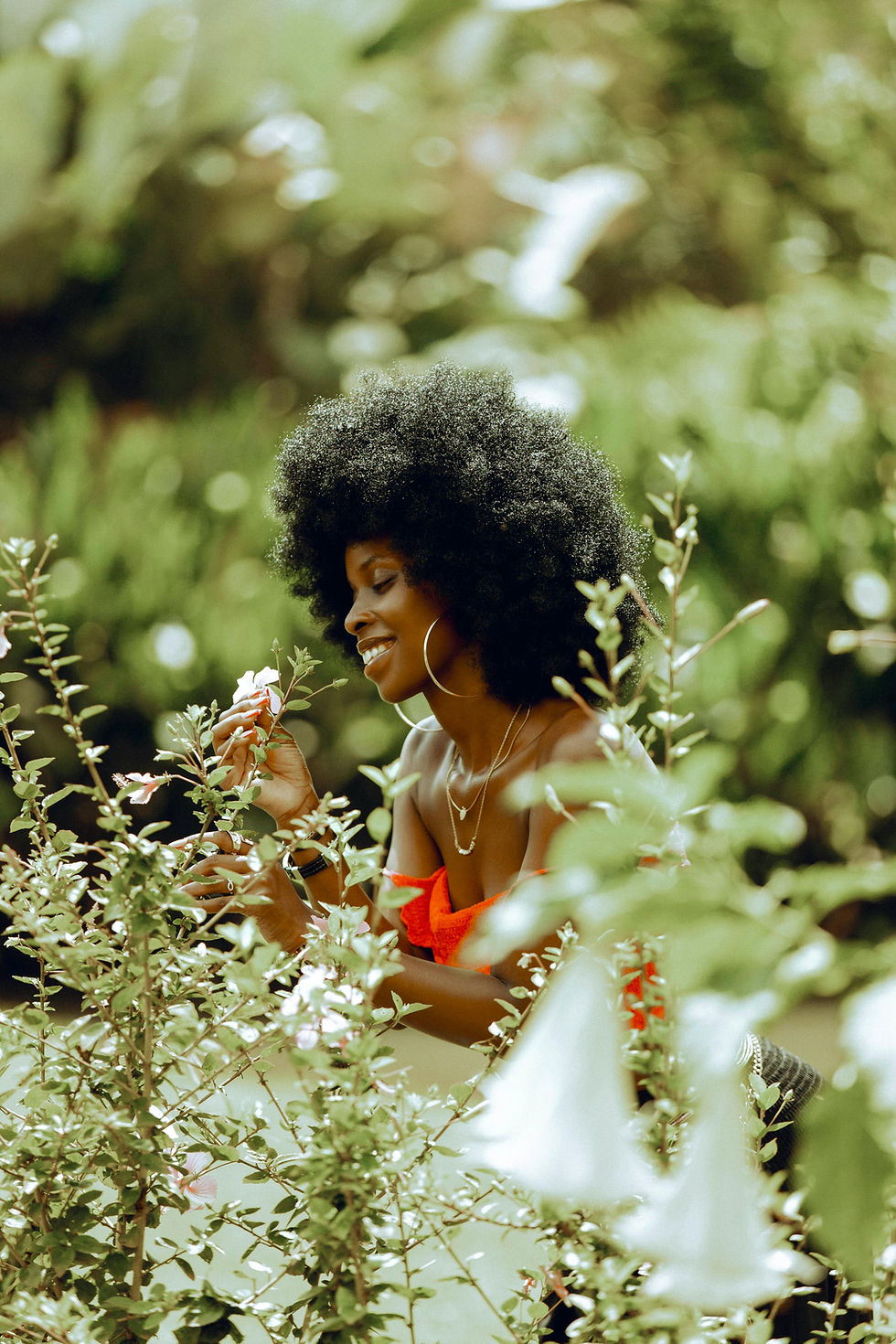
When many people hear the phrase “African herbalism,” they picture a list of herbs or old remedies passed down through generations. While those traditions are certainly part of it, African herbalism is much deeper than memorizing plants and what they are “for.” It is a way of observing the body, understanding patterns, and learning directly from creation itself.
African herbalism teaches you to pay attention. To notice how a plant smells when the leaf is crushed between your fingers. To recognize what its taste tells you.
To understand why certain plants grow in certain regions and what that might reveal about their nature and purpose. This style of herbalism develops discernment. You stop seeing herbs as isolated ingredients and begin understanding them as part of a larger system connected to the body, food, environment, and even daily living.
Many traditional systems across Africa approached healing through observation, nourishment, and relationship. Herbs were part of everyday life, cooking, bathing, agriculture, childbirth, spiritual practices, and community care. Healing was woven into the culture itself.
You’re not called to memorize herbs. You’re called to understand them.
Download Steps to Becoming an Herbalist and learn what it means to do this work for real.
Common sense herbalism - Using observation, your senses, and intuition.

One of the first lessons in African herbalism is learning how to slow down long enough to actually observe the plant. Most modern herbal education starts with charts, protocols, and memorization. African herbalism begins with interaction.
You look at the plant. You smell it. You taste it carefully. You observe how it grows, where it thrives, what season it appears in, and what happens when you prepare it in different ways. Over time, those observations begin connecting together.
A pungent plant with a strong aroma that fills the air when rubbed between your fingers often contains volatile oils. Those herbs tend to move quickly through the body and are traditionally associated with circulation, digestion, and breaking up stagnation. Bitter herbs stimulate a physical response in the mouth almost immediately, which mirrors how they are traditionally used to encourage digestive activity. Sweet herbs often feel moistening and soothing, which aligns with their traditional use in supporting dryness and depletion.
This is why observation matters.
The plant is constantly giving clues.
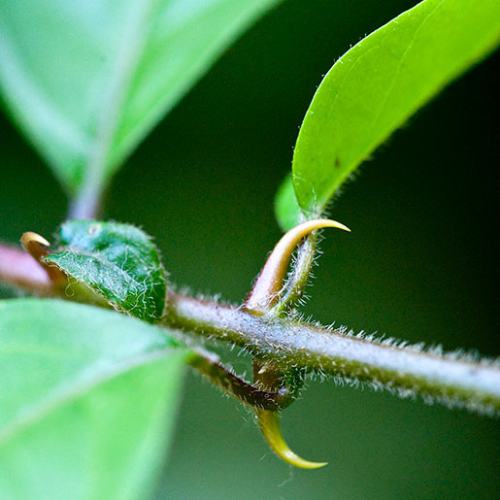
African herbalism recognizes that plants carry characteristics that can be studied through the senses. Taste, smell, texture, color, and growth patterns all become part of the learning process. You are not only studying the chemistry of the plant. You are studying its behavior.
That changes the way you learn.
Instead of trying to force yourself to memorize hundreds of herbs, you begin recognizing patterns. You understand why certain herbs behave similarly even when they are completely different plants. You learn how to think like an herbalist rather than recite information like a dictionary.
Principle 2: Common Sense and Sensory Observation
African herbalism is deeply practical. It developed among people who had to pay attention to the body because their health, survival, and communities depended on it.
This approach values observation just as much as information. If an herb dries your mouth immediately, that matters. If another herb creates warmth in the body or encourages sweating, that matters too. The body is responding in real time, and those responses teach you how herbs interact with the systems of the body.

Your senses become tools for understanding.
Taste is one of the clearest examples of this. Bitter herbs are traditionally associated with digestive stimulation. Sour herbs often create a tightening sensation in the mouth, reflecting their astringent qualities.
Pungent herbs can make the eyes water or the nose run because of their volatile compounds and stimulating nature. These are not random experiences. They are part of how the body recognizes what it is receiving.
This style of learning also creates confidence because you stop depending entirely on memorization. You begin trusting your ability to observe and connect information together. That does not mean abandoning research or safety. It means your learning becomes active instead of passive.
A lot of people struggle in herbalism because they try to collect more information without learning how to interpret what they are seeing. African herbalism encourages you to engage with the plant directly. To cook with it, smell it, taste it, and grow it. To observe how it changes through the seasons. That kind of relationship builds understanding that lasts.

Principle 3: A Whole-Body View of Healing
African herbalism approaches the body as interconnected systems rather than isolated symptoms.
When someone experiences recurring headaches, digestive discomfort, skin issues, or fatigue, the focus is not only on suppressing the symptom. The goal is to understand what systems are involved and how they may be influencing one another. Digestion affects the blood. The blood affects the skin. Stress affects digestion. Sleep affects hormones. Everything is connected.
This perspective naturally creates a more complete way of approaching wellness.
Traditional African systems of healing also recognized that emotional, environmental, spiritual, and communal factors influence health. Rest, gief, Nourishment, and community all mattered. Healing was never viewed as only physical.
That broader understanding is one reason many people feel drawn toward African herbalism today. They are tired of fragmented approaches that separate the body into disconnected pieces. They want to understand why patterns keep repeating and how to support the body more comprehensively.
This does not mean every herb is for every person or that herbs replace professional medical care. It means herbalism becomes one piece of a larger conversation about how we live, eat, rest, cope, and care for ourselves and our communities.
African herbalism teaches you to think in relationships instead of isolated facts.

Why This Matters Today
Many people enter herbalism overwhelmed because they think they need to memorize every herb before they can begin. That mindset keeps people stuck in a loop of stopping and starting with no progress.
The truth is that herbalism becomes much easier to understand once you learn how to observe patterns. Once you recognize how taste relates to action, how smell points toward compounds, how texture reflects moisture or dryness, and how body systems influence one another, the plants begin making more sense.
Only then can you move from chasing random information to building understanding.
That is one of the reasons African herbal traditions remain so powerful. They train people to think deeply, observe carefully, and engage with herbs in a way that is practical, relational, and connected to everyday life.
If you are serious about learning herbalism, you need more than herb lists. You need a framework for understanding how plants, the body, and the environment work together.
Paperback Herbal Holistic Healing: African Herbalism for Modern Times
Buy Now
Thinking about becoming an herbalist but don’t know where to start?
Download the Steps to Becoming an Herbalist guide—it’s clear, practical, and biblically sound.


Comments